
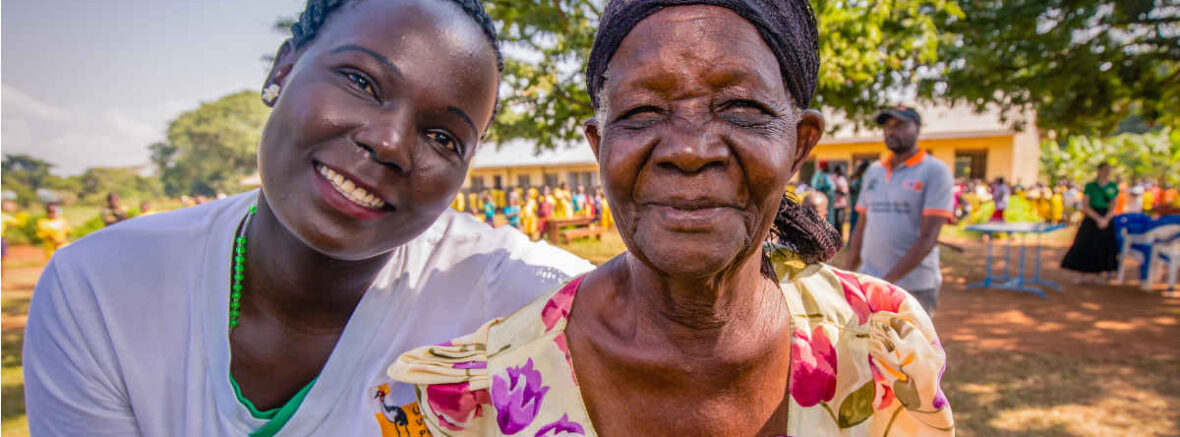
Uganda Village Project (UVP) was formed in 2003 to promote public health and sustainable development in the rural communities of the Iganga District of southeastern Uganda. In partnership with local District Health Offices, UVP identified communities that fell into the lowest quartile in sanitation and access to clean water. We have been working in partnership with these villages on a rotational basis for over twenty years, currently supporting Adolescent Reproductive Health and Obstetric Fistula programs. With the growth of our Obstetric Fistula program, we have expanded our reach into Western Uganda and began operating in Kiryandongo District in 2024.
Building
Community
Relationships
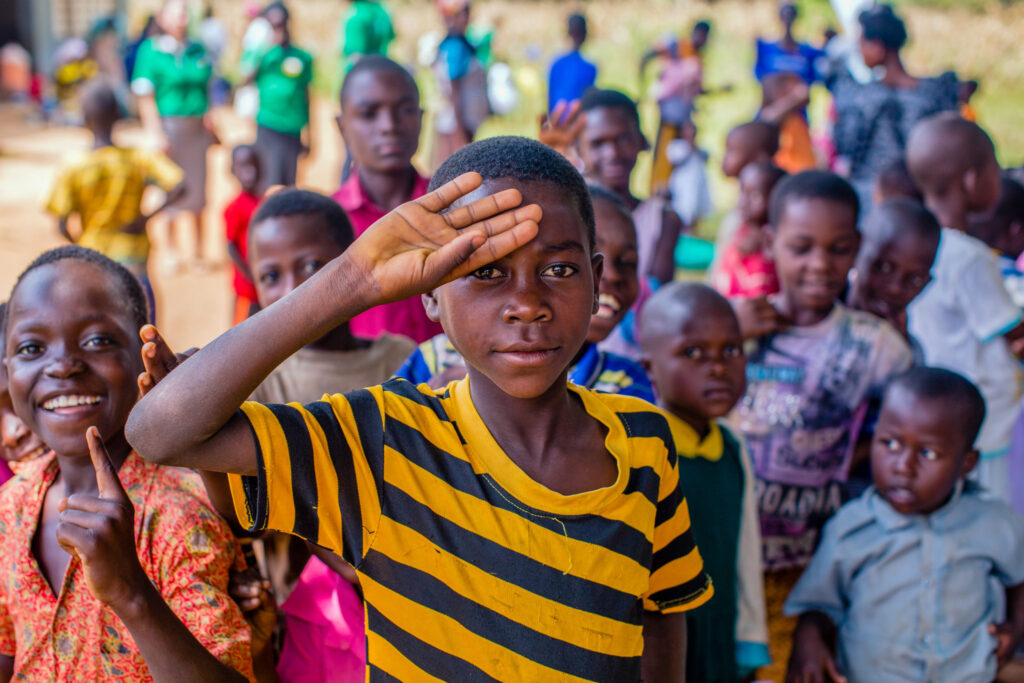
UVP works with communities on a partnership basis – our programs would not be successful and communities would not see their health improve otherwise. We regularly engage with our VHTs, Youth Champions and Fistula Ambassadors, building their confidence and capacity and also involve the village leadership counsel to help ensure success. A people-centered approach allows us to build trust and realize sustainable change.
Strengthening
Connections to
Infrastructure
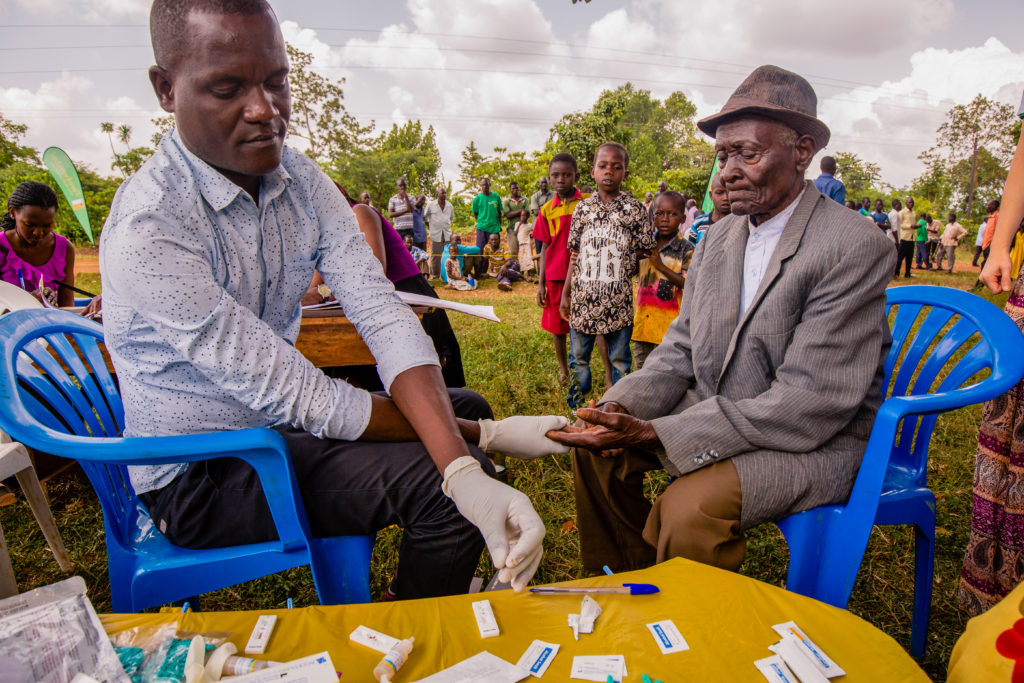
Infrastructure such as health centers, referral networks, and supply chains already exist in Uganda and UVP taps into these resources to make a big impact while keeping programming costs exceptionally low.
Focusing on
Community
Education
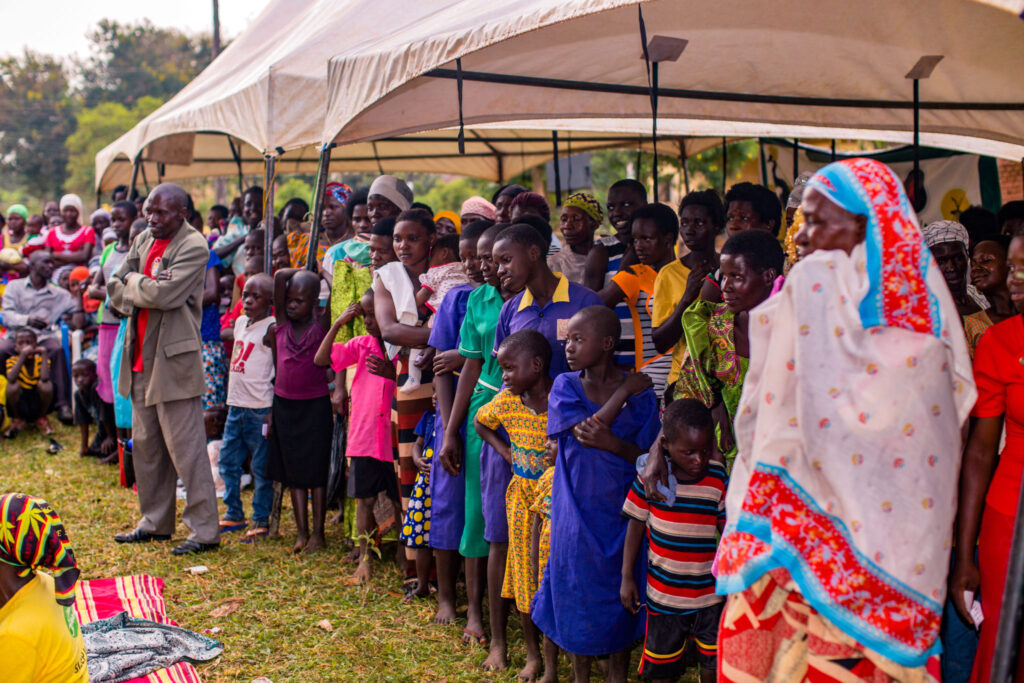
Education is the cornerstone of UVP’s model and the primary way we deliver trusted information to our partner communities. In rural communities, formal education can be difficult to access, making information delivered from a trusted source in an informal setting one of the most common ways to gain valuable information. UVP carefully crafts health messages to improve community members’ knowledge across our core program areas, encouraging small changes in behavior to realize health benefits.